

Find the Right Medical Malpractice Lawyer in Bergen County
If you believe a doctor, nurse, hospital, or other provider caused preventable harm, a medical malpractice lawyer in Bergen County can review the records, consult qualified medical experts, and determine whether you may have a claim.
A strong New Jersey claim usually requires proof that:
- A provider owed the patient a duty of care.
- The provider fell below the accepted medical standard of care.
- That error caused a measurable injury or loss.
Act quickly. Save appointment notes, bills, medication lists, photos, and messages. Request complete medical records, seek an independent medical opinion when appropriate, and avoid giving recorded statements to an insurer before getting legal guidance. Most New Jersey malpractice lawsuits have a two-year filing deadline, though the discovery rule and special rules for some birth injuries may change the timeline.
Not every bad medical outcome is malpractice. Surgery and treatment can involve known risks. The key question is whether a preventable error, rather than an unavoidable complication, caused the harm.
I am Frank Demming, a legal marketing specialist with more than a decade of experience helping law firms build SEO, PPC, and lead-generation systems that bring in better cases. For firms targeting searches such as medical malpractice lawyer bergen county, clear, accurate content can help prospective clients understand their options and find qualified counsel sooner.
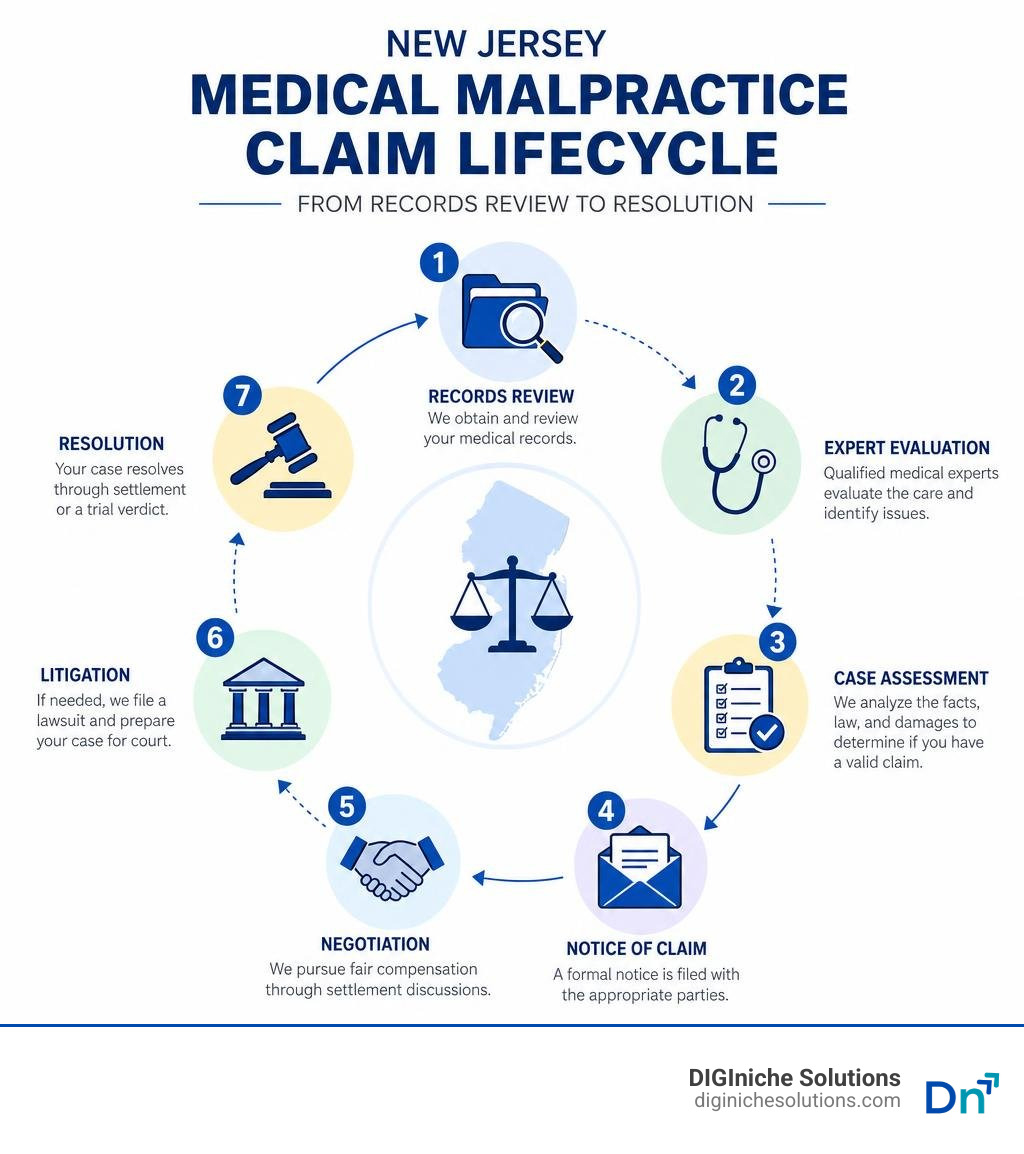
Understanding Medical Negligence Under New Jersey Law
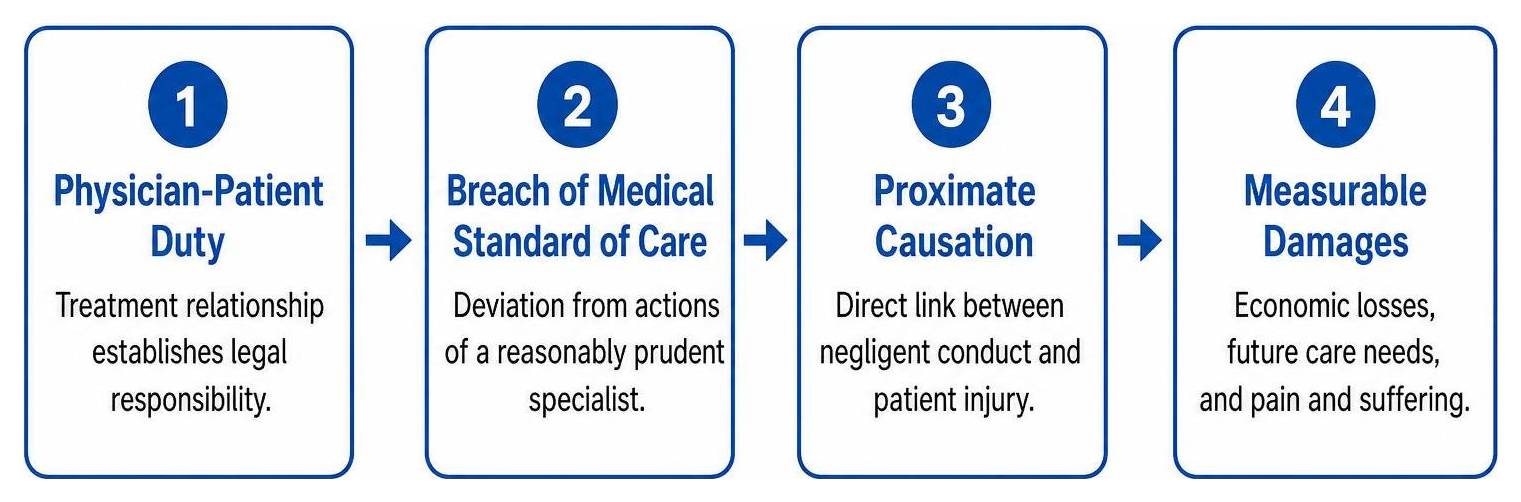
Medical negligence cases in New Jersey are among the most intricate civil claims in the state court system. When we evaluate how justice is served for injured patients across communities like Hackensack, Paramus, Fort Lee, and Lyndhurst, the foundation always rests upon four primary legal pillars:
- Duty of Care: The healthcare professional or medical facility entered into a formal treatment relationship with the patient, legally obligating them to provide competent treatment.
- Breach of Duty (Deviation from the Standard of Care): The practitioner failed to act in accordance with the recognized level of care, skill, and treatment that an ordinarily prudent healthcare provider in the same field would provide under similar circumstances.
- Proximate Cause: The deviation from acceptable medical standards was the direct and primary catalyst for the patient’s subsequent injury, rather than an unavoidable progression of an underlying illness.
- Measurable Damages: The patient sustained actual physical, emotional, or financial harm that can be quantified and compensated under New Jersey law.
Navigating these distinct elements requires an attorney who understands how state statutes intersect with specialized medicine. When individuals seek out the Best Medical Malpractice Lawyers in Bergen County, NJ, they are searching for legal professionals capable of translating dense anatomical records into clear evidence of liability.
What Qualifies as Actionable Medical Malpractice?
A medical outcome that fails to meet expectations is deeply frustrating, but it does not automatically constitute actionable negligence. Medicine carries natural risks, and biological responses to surgeries or medications can vary drastically.
Actionable medical malpractice occurs exclusively when an injury stems from a preventable error caused by a medical professional’s failure to meet established clinical guidelines. If a surgeon operates on an incorrect anatomical site, a radiologist misses an obvious tumor on an MRI, or an obstetrician ignores clear fetal distress markers during labor, these actions fall well outside acceptable practice.
Conversely, known procedural complications that occur despite rigorous adherence to safety protocols generally do not qualify as malpractice. The central legal question is whether another competent practitioner with equivalent training would have avoided the mistake under the same clinical circumstances.
The Critical Role of the New Jersey Affidavit of Merit
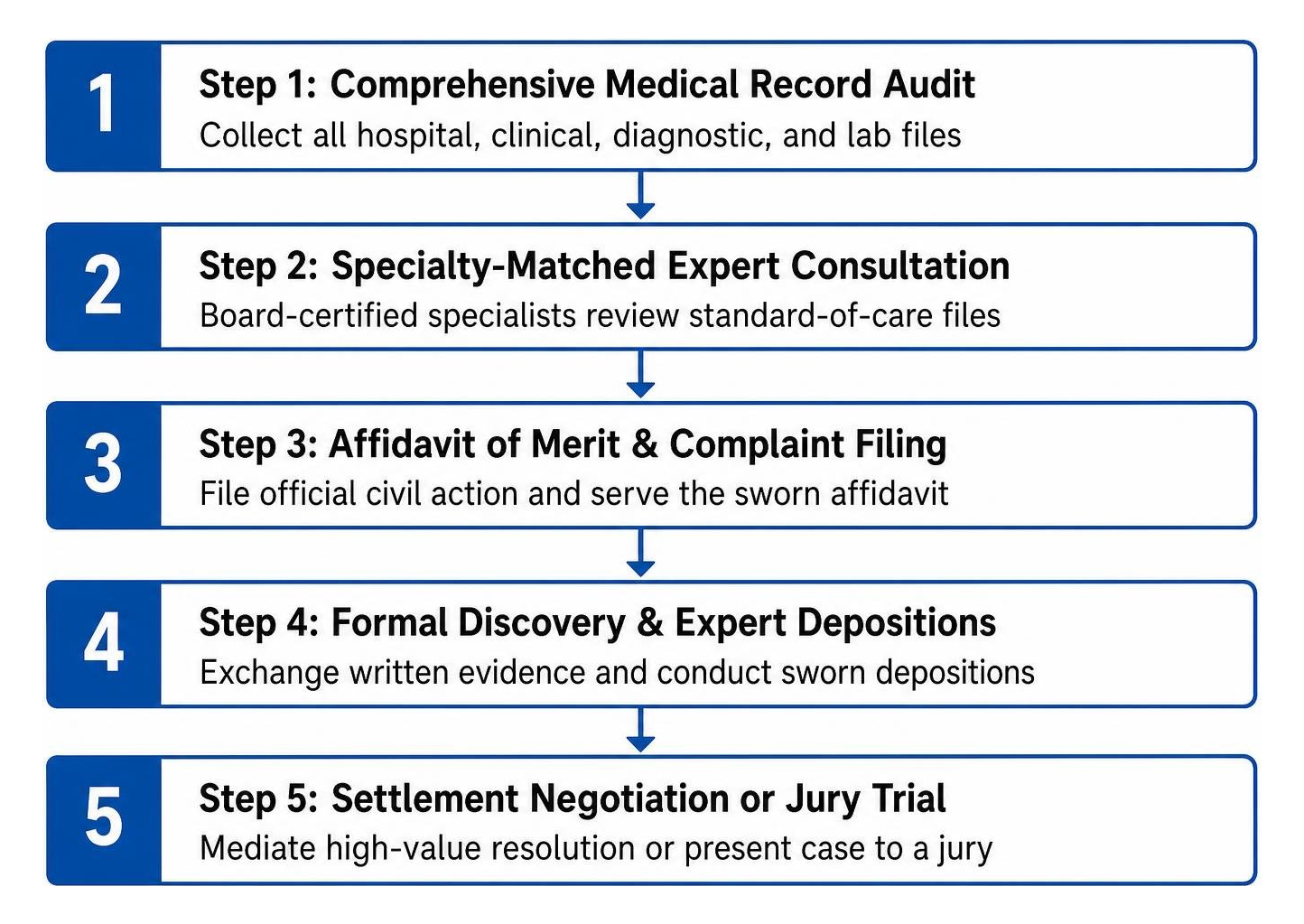
To prevent frivolous lawsuits from crowding state dockets, New Jersey enforces strict procedural safeguards under N.J.S.A. 2A:53A-27, known as the Affidavit of Merit (AOM) statute. This requirement demands immediate action once a lawsuit begins:
- Mandatory Timeframe: The plaintiff must serve an Affidavit of Merit on the defendant within 60 days of the defendant filing their formal answer to the legal complaint. A single 60-day extension may be granted by the court upon a showing of good cause, creating an absolute deadline of 120 days.
- Specialty Alignment: The affidavit must be executed by a licensed, board-certified physician or medical expert who specializes in the identical field as the defendant practitioner. For instance, if the lawsuit names a board-certified anesthesiologist, the expert providing the affidavit must actively practice or teach in anesthesiology.
- Substantive Affirmation: The expert must swear under oath that, based upon their thorough review of the medical records, there exists a reasonable probability that the defendant’s care fell below acceptable professional standards.
- Strict Penalties for Non-Compliance: Failure to submit a timely, fully compliant Affidavit of Merit typically results in an immediate dismissal of the entire case with prejudice, barring the injured patient from ever refiling the claim.

Common Types of Medical Malpractice Claims Across Bergen County
Bergen County is home to several premier healthcare networks, including Hackensack University Medical Center, Valley Hospital in Paramus, and Holy Name Medical Center in Teaneck. While these institutions provide essential care, systemic oversights, communication breakdowns, and individual negligence can occur within any facility.
| Case Category | Preventable Medical Error (Actionable Malpractice) | Inherent Procedural Complication (Non-Actionable Risk) |
|---|---|---|
| Surgical Procedures | Retaining sponges or clamps inside an incision; operating on the wrong limb. | Minor post-operative infection despite sterile technique and prophylactic antibiotics. |
| Diagnostic Care | Failing to order a biopsy for a visible, suspicious lesion noted on routine imaging. | Disease progression occurring despite timely, accurate diagnosis and aggressive therapy. |
| Medication Administration | Administering a drug documented as an active allergy in the patient’s electronic chart. | Known, unpreventable side effects where appropriate warnings were communicated. |
| Labor & Delivery | Delaying an emergency C-section during sustained, severe fetal heart decelerations. | Unpredictable umbilical cord accidents that occur suddenly without prior distress signals. |
| Emergency Medicine | Discharging a patient presenting classic cardiac symptoms without conducting an EKG. | Atypical disease presentation that eludes standard, comprehensive diagnostic protocols. |
Surgical Errors and Hospital System Liability
Surgical malpractice claims involve mistakes that should never occur in an operating theater. These preventable events include:
- Wrong-Site Surgery: Operating on the wrong limb, organ, or spinal level due to flawed pre-operative verification protocols.
- Retained Foreign Objects: Leaving surgical sponges, needles, guide wires, or clamps inside a patient’s body cavity, leading to internal sepsis, organ perforation, and emergency revision surgeries.
- Anesthesia Errors: Administering incorrect dosages, failing to review patient intubation risks, or failing to monitor blood oxygenation and heart rates during operations.
When these events occur, liability often extends beyond the individual surgeon. Under the legal doctrine of respondeat superior (vicarious liability), hospitals and surgical centers are directly responsible for the negligent actions of their employed nurses, technicians, and resident staff. Furthermore, hospitals face direct institutional liability if an injury arose from understaffing, defective equipment, or a failure to properly credential and supervise practicing physicians.
Diagnostic Delays, Medication Errors, and Birth Injuries
Diagnostic failures represent a large share of complex medical malpractice claims in North Jersey. A failure to diagnose or a delayed diagnosis of aggressive conditions like breast, colon, lung, or prostate cancer can rob patients of timely interventions, turning treatable stage-one illnesses into fatal terminal conditions.
Medication errors in clinical settings often stem from disorganized record-keeping, illegible prescription orders, or pharmacy dispensing mistakes. When patients receive the wrong drug or an overdose, the results can cause organ damage or fatal anaphylaxis.
Birth injuries represent some of the most emotionally and financially devastating cases litigated in Bergen County courts. Delivery room errors—such as the misuse of forceps or vacuum extractors, failure to manage shoulder dystocia, or delayed emergency Cesarean sections—can cause permanent trauma:
- Cerebral Palsy: Often caused by prolonged oxygen deprivation (hypoxia or anoxia) during labor and delivery.
- Erb’s Palsy & Brachial Plexus Injuries: Caused by excessive traction applied to an infant’s head and neck during delivery, tearing the nerve network controlling the arm and hand.
Why You Need an Experienced Medical Malpractice Lawyer in Bergen County
Medical malpractice defense firms and their insurance carriers defend these claims aggressively. Insurers routinely utilize substantial litigation budgets to protect healthcare institutions, dispute liability, and minimize payouts.
To stand on equal ground, plaintiffs benefit from counsel holding specialized credentials. In New Jersey, fewer than 3% of practicing attorneys earn board certification from the Supreme Court of New Jersey as a Certified Civil Trial Attorney. This distinction reflects extensive courtroom experience, peer recommendations, and proven mastery of civil trial advocacy. Injured victims across Northern New Jersey—from Passaic and Clifton to regional hubs served by the Best Medical Malpractice Lawyers in Bloomfield, NJ—rely on experienced trial counsel to handle complex litigation against large hospital networks.
When to Contact a Medical Malpractice Lawyer in Bergen County
You should seek legal guidance immediately if you experience any of the following warning signs:
- A sudden, unexplained deterioration in your physical health following a routine medical procedure.
- A secondary physician or specialist expresses surprise or concern over the previous treatment choices made by your original provider.
- You require emergency corrective surgery to repair damage caused during a previous operation.
- Hospital representatives or risk managers attempt to offer quick financial settlements or ask you to sign release waivers before you understand the full extent of your long-term injuries.
Securing legal counsel early ensures that crucial medical evidence, electronic health logs, and operating room monitoring data are preserved before institutional retention windows close.
How a Medical Malpractice Lawyer in Bergen County Evaluates Your Claim
Evaluating a malpractice claim involves a methodical, evidence-driven process. A legal team will:
- Secure Complete Medical Records: Retrieve all relevant pre-operative notes, nursing logs, anesthesia flow sheets, diagnostic imaging files, and post-discharge instructions.
- Conduct Independent Causation Analysis: Collaborate with independent medical consultants to determine whether the injury was preventable and directly caused by professional negligence.
- Calculate Comprehensive Financial Damages: Work with forensic accountants, life-care planners, and vocational experts to quantify the true lifetime economic impact of the injury, including lost earnings and ongoing medical assistance.

Crucial Steps and Statutory Timelines for NJ Malpractice Lawsuits
If you suspect that you or a loved one suffered harm due to medical negligence, taking structured steps right away helps protect your health and your legal rights:
- Step 1: Prioritize Independent Corrective Medical Care: Seek treatment from an independent physician or specialist outside the hospital system where the original error occurred.
- Step 2: Request Complete Certified Medical Records: Request hard copies and digital medical records from all treating facilities. Do not alter or write notes on original medical documents.
- Step 3: Maintain a Detailed Recovery Journal: Keep a daily record of your physical symptoms, pain levels, emotional well-being, missed workdays, and every interaction with medical providers.
- Step 4: Organize Financial and Treatment Receipts: Retain all medical bills, pharmacy receipts, insurance explanation of benefits (EOB) statements, and proof of lost wages.
- Step 5: Avoid Direct Communication with Defense Insurers: Do not provide written or recorded statements to hospital risk management or medical insurance adjusters without legal representation.
Navigating the New Jersey Statute of Limitations and Discovery Rule
Under N.J.S.A. 2A:14-2, the standard statute of limitations for filing a medical malpractice lawsuit in New Jersey is two years from the date the negligent act occurred. Failing to file your claim within this legal timeframe forfeits your right to seek compensation in court.
However, New Jersey law recognizes two major exceptions:
- The Discovery Rule: When an injury is not immediately apparent, the two-year clock begins on the date when the patient discovered—or reasonably should have discovered through ordinary diligence—that they suffered an injury caused by medical negligence. For example, if a surgical sponge left behind during an operation causes an internal infection discovered eighteen months later, the discovery rule may toll the filing deadline.
- Birth Injury Tolling Exception: For minor children who sustain severe injuries during labor, delivery, or immediately following birth, the statute of limitations is extended. Under New Jersey law, birth injury claims may be filed at any point up until the child’s 13th birthday.
Documenting Medical Evidence and Calculating Recoverable Damages
New Jersey allows injured plaintiffs to pursue two primary categories of compensatory damages:
Economic Damages (Financial Losses)
- Past, present, and future medical expenses related to the injury.
- Long-term physical therapy, rehabilitation, in-home nursing care, and specialized medical equipment.
- Lost wages and lost employment benefits.
- Diminished future earning capacity if the victim cannot return to their prior career.
Non-Economic Damages (Quality of Life Losses)
- Physical pain, discomfort, and bodily suffering.
- Emotional distress, trauma, anxiety, and depression.
- Permanent physical disfigurement, scarring, and loss of limb functionality.
- Loss of enjoyment of life and inability to participate in everyday family activities.
Notably, New Jersey does not impose a statutory cap on compensatory damages in medical malpractice cases. This allows juries to award the full measure of economic and non-economic damages substantiated by trial evidence. Punitive damages may also be awarded in rare cases involving gross negligence or intentional misconduct, subject to statutory limits under the New Jersey Punitive Damages Act.
Frequently Asked Questions About Medical Malpractice in Bergen County
Can I sue a hospital directly for the negligent actions of its medical staff?
Yes. Hospitals across Bergen County are legal entities that can be held liable through two primary avenues:
- Direct Institutional Negligence: A hospital can be sued directly if it fails to maintain safe facilities, enforces improper sanitation protocols, fails to adequately verify doctor credentials, or maintains dangerous nurse-to-patient staffing ratios.
- Vicarious Liability (Respondeat Superior): A hospital is legally accountable for the negligent actions and omissions of its direct employees (including registered nurses, surgical technicians, physical therapists, and staff physicians) committed while performing their job duties.
If a doctor operates as an independent attending physician with hospital privileges rather than a direct employee, claims are typically filed against the individual doctor’s malpractice insurance policy, though institutional liability may still apply under apparent agency principles.
How much does it cost to hire an attorney, and are legal fees capped in NJ?
Reputable medical malpractice attorneys in New Jersey represent clients on a contingency fee basis. This structure means:
- There are zero upfront legal fees or out-of-pocket retainers required from the client.
- The law firm advances all necessary litigation costs, including court filing fees, expert witness evaluations, and medical record retrieval fees.
- If the legal team does not recover a settlement or jury verdict on your behalf, you owe nothing in attorney fees.
Furthermore, New Jersey protects consumers by placing strict statutory caps on attorney contingency fees in personal injury and malpractice claims under New Jersey Court Rule 1:21-7:
- 33.33% of the first $500,000 recovered.
- 30% of the next $500,000 recovered.
- 25% of the subsequent $500,000 recovered.
- 20% of the next $500,000 recovered.
- For recovery amounts exceeding $2,000,000, attorney fees are set upon formal application to the court.
Can family members pursue a wrongful death claim after a fatal medical error?
Yes. When a patient dies as a direct consequence of medical negligence, their surviving family members may pursue legal remedies under the New Jersey Wrongful Death Act (N.J.S.A. 2A:31-1) and the Survival Act (N.J.S.A. 2A:15-3).
- Wrongful Death Claims: Brought by the executor or administrator of the deceased’s estate on behalf of surviving dependents (such as spouses, children, or dependent parents). This action recovers financial support the deceased would have provided, funeral costs, and the monetary value of lost companionship and guidance.
- Survival Actions: Seeks compensation for the physical pain, suffering, and emotional distress the deceased endured from the exact moment of the medical error up until their passing.
Wrongful death and survival actions must generally be filed within two years of the patient’s date of death.
Conclusion
Suffering a severe injury due to medical negligence can leave you and your family facing unexpected medical bills, long recovery times, and uncertainty about the future. New Jersey law provides a clear legal pathway for injured patients to hold healthcare providers accountable, recover full financial compensation, and rebuild their lives with dignity.
At DIGIniche Solutions, we work closely with top legal professionals across North Jersey. We understand the commitment required to stand up against large healthcare systems and secure justice for injured patients. For attorneys and law firms looking to expand their reach and connect with clients who need experienced representation, our team provides strategic law firm marketing built on the proprietary V.E.R.A. Formula (Visibility, Engagement, Retention, Amplification).
If you suspect that medical negligence caused you or a family member harm, consult a dedicated Bergen County attorney promptly to review your records, meet the statutory filing deadlines, and protect your rights.
